

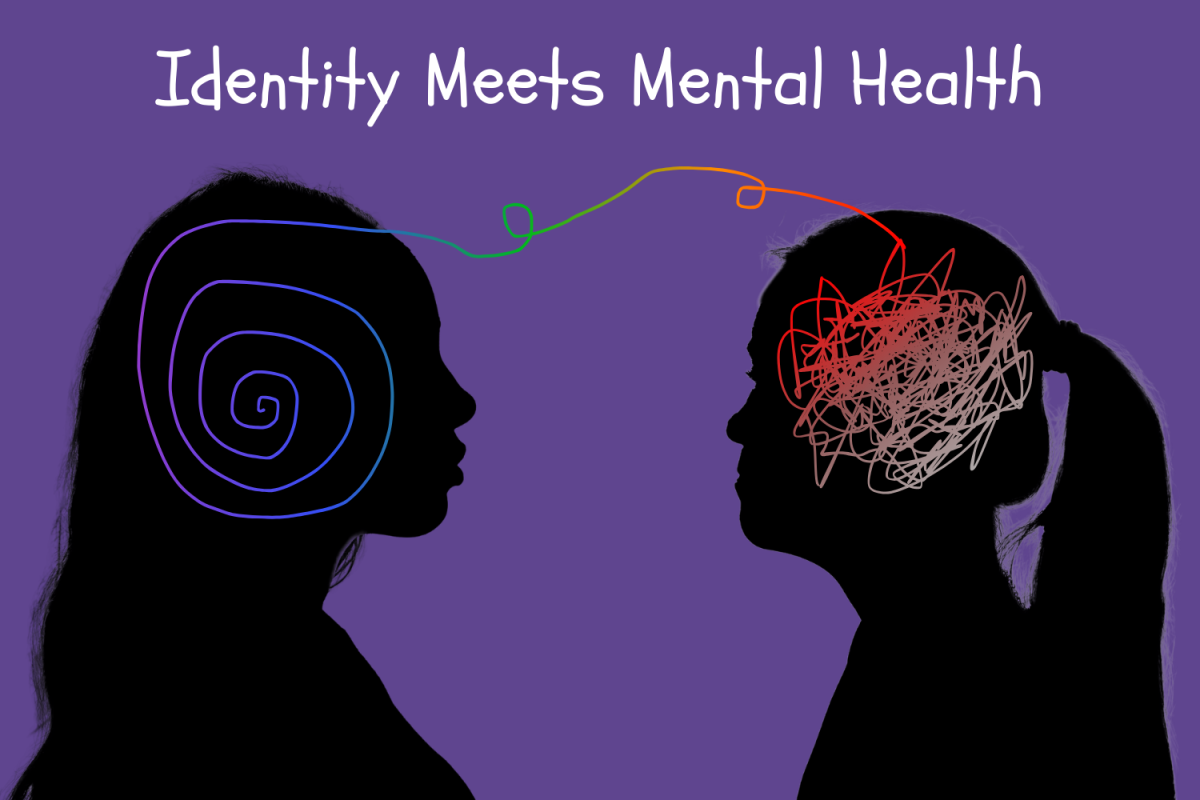
Mental health is a growing concern in schools as students deal with academic pressure, social issues and identity questions. Schools are working to raise awareness and support wellness, as students say their mental health is also affected by how comfortable they feel expressing themselves at school. Interviews with Crown Point students reveal that representation, belonging, and school culture all contribute to student well-being.
One student, Rana Stevens (12), shared that talking about mental health, especially when it relates to personal identity, can be hard at school. She said that during class discussions on social topics, students often hesitate to speak openly about how these issues affect them. “When students talk about mental health in situations like that, it can feel like the room goes quiet,” Stevens said. This can leave students unsure if others really understand their experiences.
Stevens said that for students from underrepresented backgrounds, this hesitation can affect their mental health over time. “I’m one of the few African Americans here, so sometimes it feels like I stand out no matter what I do,” Stevens said. Even when she participates in extracurricular and co-curricular activities, feeling different can still affect her confidence and comfort at school.
She also talked about discussions on future expectations, and professionalism can be discouraging when they include comments about appearance or fitting in. “It puts you in a mindset that you might miss out on opportunities because of how you look,” Stevens said. Even if these comments are meant to help, students might take them in ways that hurt their self-esteem and outlook.
Another student, Keewa Yu (12), talked about how not having cultural affections can affect mental health. She mentioned that living in a community with limited diversity can make it challenging to find common ground with others. “Sometimes it affects my mental health knowing I can’t relate to certain cultural things,” Yu said. Even small feelings of disconnection can make students feel isolated at school.
Yu also mentioned that beauty standards can play a role in student mental health. “Not fitting into a typical American beauty standard can affect how you feel about yourself,” Yu said. These pressures are often unspoken, but they can still shape how students view themselves and their place within the school environment.
Both students’ experiences point to a broader issue surrounding mental health in schools: students may struggle due to a lack of support, but because it can be difficult to express complex feelings tied to identity, culture and belonging. Mental health challenges are not always visible, and students may hesitate to speak up if they are unsure how their experiences will be received.
Creating a supportive school environment means continuing to encourage open dialogue while ensuring that students feel heard and respected. When schools foster spaces where students can share their perspectives comfortably, mental health conversations can become more inclusive and effective.
Overall, student life and mental health are closely connected. By listening to student voices and acknowledging the diverse experiences that shape well-being, schools can continue working toward environments where all students feel supported both academically and emotionally.