

Recently, the NFL has been struck with many injuries that can be detrimental to teams and their starting lineups. Some season-ending injuries include Tyreek Hill for the Dolphins with a dislocated knee and torn ligaments, Najee Harris on the Chargers with a torn Achilles, and Nick Bosa on the 49ers with a torn ACL.
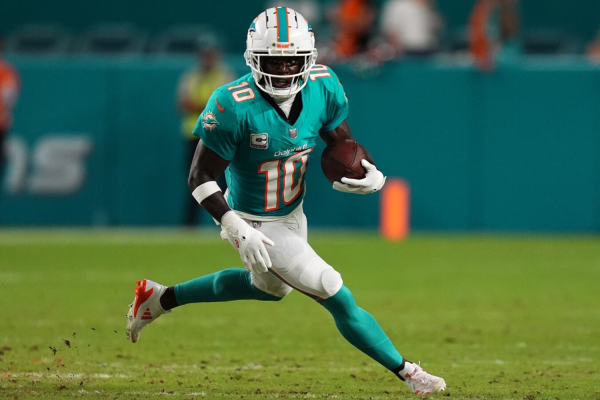
These players each play different roles in how the teams’ offense and defense run. Many injuries leave coaches no choice but to put in their second-string players and sometimes even their third-string as well. With major injuries happening to many different teams, the NFL may need to reconsider a different way to keep players healthy.
Each NFL team’s active roster is composed of 53 players, and only 48 of the players can be active for each game. NFL teams are also allowed to have a practice squad of seventeen players or fewer. In the off-season, many teams can have up to 90 players, but then choose their best players to keep for the regular season.
As a fan of the NFL, watching the injuries that have surfaced throughout the first few games has intrigued me to try to find another way to possibly manage injuries and money within the league. Another solution would be to upgrade the 53-player roster and turn it into a 75-man roster. By doing this, you would also cut back on how much they are renewing player contracts and put first-string and second-string positioned players within the same revenue value, with the possibility of incentives. This adds to the option of switching off players to limit how many injuries are surfacing in the league. Swapping players for each position between a few players after each play would decrease the rate of injury and the question of who will fill in for injured players. The money may be less, yes, but if added incentives are given when players win games, it may motivate players to step up their game and gain more money along the way.
Take the 49ers quarterback situation, for instance. Brock Purdy was paid $265 million for a five-year contract extension. Purdy is now out as quarterback due to a toe injury.
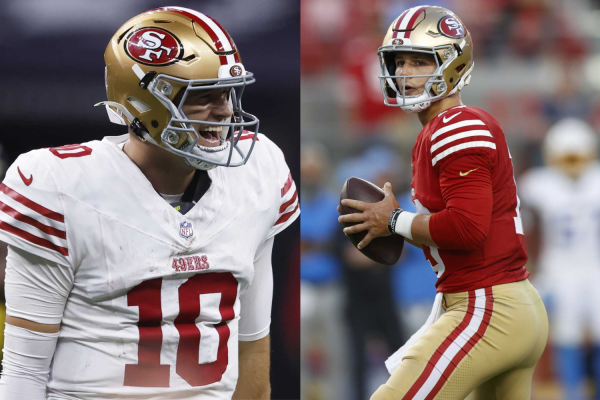
The second-string quarterback, Mac Jones, has now stepped in his place for five games and is now leading the team in a 5-3 standing in the NFC West division. Jones has a two-year $7 million contract, which also includes a $400,000 incentive for winning four times as a starter and an additional $100,000 for every win for the 49ers.
If you take the suggestion of making some of the players equal in pay, this would have both of these quarterbacks, and possibly never have had Brock Purdy get hurt because of the constant switching. This would also eliminate the speculations of which quarterback is going to be the starter once Purdy returns from his injury because Jones has been consistently winning for the 49ers.
Now, many people may be thinking, why can we not just put in the backup to the player who gets hurt? Well, this may seem like a simple solution, which usually it is, the main fix for an injury, but what happens if the second-string player gets hurt? The Los Angeles Chargers are experiencing this setback currently with their running back situation. The Chargers’ first-string running back, Najee Harris, is out for the season with a torn Achilles. The second-string Omarion Hampton is now also on injury reserve with an ankle injury. On top of that, the third-string running back, Hassan Haskins, is also placed on the inactive list with a hamstring injury.
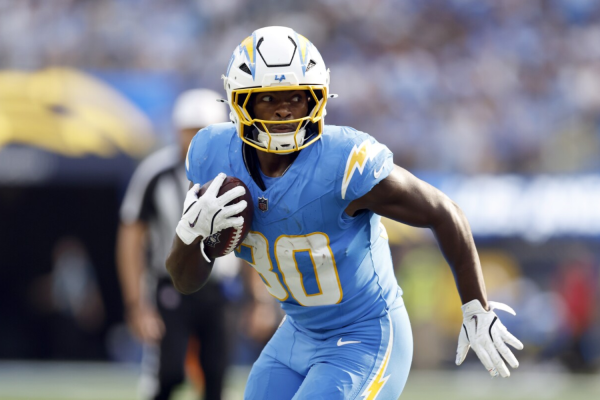
The Chargers are now forced to put in second-year running back Kimani Vidal. This team has faced numerous injuries in only one position, which has caused numerous positioning effects for their team.
In the NFL, many players have been getting hurt, and the teams are struggling to put in new players to fill the starter’s shoes. If you take the 75-man roster and cut down on top-dollar contracts and instead pay players in the same position the same amount with given incentives, it may possibly save franchises the risk of injury for many players on their teams.