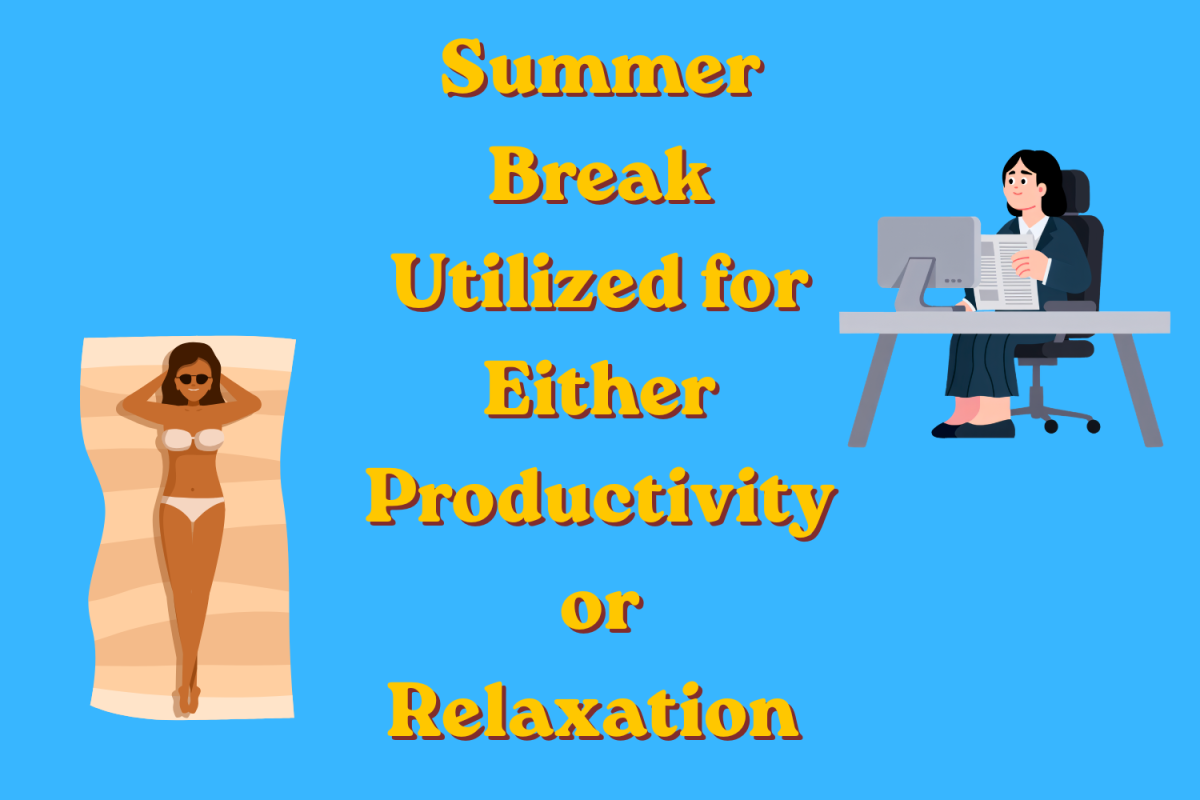

Within the school system, there are periodic breaks stemming from holidays that can last anywhere from three days to a few weeks. These breaks can often improve student performances, decrease burnout and overall strengthen students’ academic abilities. Now more than ever, many students are overloaded with clubs and academics, especially with colleges increasing application standards, which causes students to overburden themselves with various tasks. This overload of activities can facilitate a stress reaction in students. Long breaks from school can be beneficial to students and help grow their learning abilities.
“75% of high school students report experiencing boredom, anger, sadness, fear or stress in school,” The American Institute of Stress recorded in 2024.
Having these breaks may boost the mental health of the students by giving them time off from different stressful situations. Sometimes, even being around family and friends or participating in a leisure activity can boost a student’s mental well-being.
On the contrary, many may believe that longer breaks could the inability to retain subjects and information provided in the classroom after a break from school.
“Continuing to review information they learned over the previous year is one way to help concretize it in their mind, as spaced repetition is an effective way to retain information,” the article “The Benefits of Summer Break & Retaining Information” by The Academy for God said.
Reviewing information provided before a break may increase the student’s chance of retaining what they have currently learned. This practical solution helps give purpose to the subject and keeps the student learning during these long breaks.
To conclude, taking longer breaks from school can possibly help students’ overall mental well-being and help relieve the stress load on working students. School systems should maintain these longer breaks for better education and learning process among students.